
3910 S John Young Pkwy. Suite A, Orlando, FL 32839
Se Habla Español - Call Us Today!
(407) 246-0919
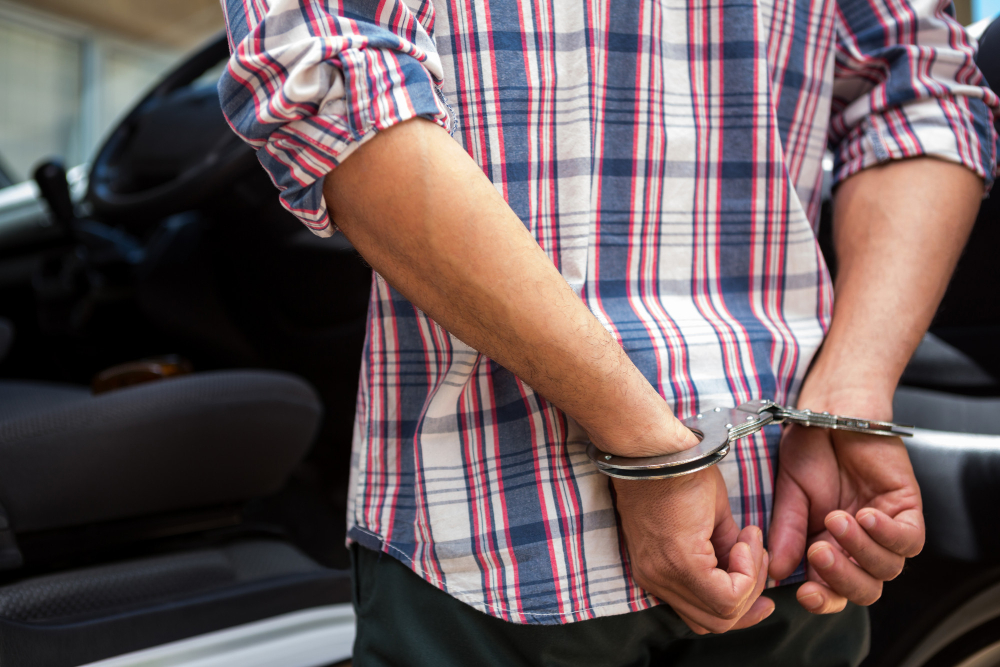
Getting arrested in Orlando changes your immediate priorities instantly. One minute you're driving down I-4 or grabbing dinner in Dr. Phillips, and the next, you're sitting in a holding cell at the Orange County Jail on 33rd Street. It's a terrifying experience, especially if you've never been in handcuffs before. When panic sets in, it's easy to make rash decisions that can hurt your case and keep you locked up longer than necessary.
Finding a reliable bail bondsman in Orlando, Florida is usually the fastest way out, but what you do before that call matters just as much. In our years serving Central Florida, we've seen good people make simple mistakes that complicate their release or legal defense. Knowing what not to do is just as critical as knowing who to call.
Here are the five most common errors first-time offenders make and how you can avoid them to get back home to your family faster.
Panic is a powerful thing. When an officer puts pressure on you, your instinct might be to explain yourself to clear up the "misunderstanding." However, failing to exercise your Miranda rights is the number one error we see. A staggering number of arrestees—some studies suggest over 80%—waive their Miranda rights during interrogation because they believe cooperation will lead to immediate release [1].
In reality, the police are gathering evidence. Your right to remain silent and your right to an attorney are your strongest shields. You don't need to be rude or aggressive, but you must be firm. Simply stating, "I am exercising my right to remain silent and would like to speak to an attorney," stops the questioning.
If you don't understand your rights, you might inadvertently consent to searches or give up information that isn't required. In Florida, you must identify yourself if asked by law enforcement, but you aren't required to answer questions about where you've been, what you've been doing, or who you know without a lawyer present.
When we help families in neighborhoods like Winter Park or MetroWest, we often hear, "I just wanted to tell my side of the story." Unfortunately, that story often becomes the prosecution's opening statement. Protecting yourself starts the moment the handcuffs go on.
The short answer is no. Speaking to law enforcement without legal counsel is almost never in your best interest. We've seen countless cases in Orange County where a defendant thought they could "talk their way out of it," only to provide the exact details the state needed to file charges.
Anything you say can and will be used against you. This isn't just a line from TV; it's the foundation of criminal prosecution. Police officers are trained in interrogation techniques designed to elicit confessions or conflicting statements. Even an innocent comment can be twisted or taken out of context to make you look guilty.
Self-incrimination often happens when you try to explain a situation. For example, if you're arrested for a DUI near Downtown Orlando, admitting you "only had two beers" places you at the scene, confirms you were drinking, and admits you were driving. A defense attorney would advise you that the state has the burden of proof. By speaking, you're helping them do their job.
Always be polite, but stay silent on the facts of the case. Let your attorney handle the talking. Your focus should be on processing out of jail, which is where a bail bondsman in Orlando, Florida comes in, not on litigating your case in the back of a squad car.
Getting out of jail is only step one. Staying out requires strictly following your bond conditions. When a judge sets bail, they often attach specific rules you must follow while your case is pending. Common conditions in Orange County include:
Violating these conditions is a fast track back to jail. If you're caught breaking a "no contact" order in a neighborhood like Conway or Pine Hills, the judge can revoke your bond entirely. This means you'll stay in jail until your trial is over, which can take months.
We recently helped a client who didn't realize that a "no contact" order included text messages. He sent an apology text, the victim reported it, and his bond was revoked. It's crucial to read every piece of paperwork you sign. If you don't understand a condition, ask your attorney or your bondsman immediately. Ignorance of the rules isn't a valid defense.
Waiting to call a bail bondsman in Orlando, Florida is a mistake that costs you time—time you could be spending at home. The booking process at the Orange County Jail takes time, often 4 to 8 hours or more depending on how busy they are. However, a bondsman can start the paperwork as soon as the bond amount is set.
If you wait until you're fully processed and placed in general population to call, you're adding unnecessary hours to your stay. Mike Snapp Bail Bonds operates 24/7 because arrests don't stick to business hours. We can often have the bond posted by the time you're finished with the booking process, minimizing the time you spend behind bars.
Absolutely. Most people don't have thousands of dollars sitting around for an unexpected emergency. In Florida, the standard premium for a surety bond is 10% of the total bail amount for state charges and 15% for federal charges.
For example, if the judge sets your bail at $5,000, you'd have to pay the court the full $5,000 cash to get out on your own. That money is tied up until the case is fully resolved. By using a bondsman, you only pay the premium (e.g., $500), and we handle the rest. This keeps your savings available for other urgent needs, like hiring a defense attorney or covering lost wages.
Many first-time offenders assume cash is the only way out, or they don't understand the difference between the bond types. This confusion adds stress to an already chaotic situation.
Florida's legal system has specific quirks. For instance, the uniform bond schedule in Orange County suggests standard bond amounts for specific crimes, but a judge has the final say at your first appearance (usually within 24 hours of arrest).
Understanding these costs and processes is tough when you're stressed. We explain exactly what's required, what the costs are upfront, and what the timeline looks like. Whether the bond is $1,000 or $50,000, we help clarify the confusing parts so you can make informed decisions. We've navigated the booking center at 33rd Street thousands of times; use our experience to your advantage.
Navigating the criminal justice system alone is overwhelming. Avoiding these five mistakes gives you a head start, but the most critical step is securing your release. You shouldn't have to wait in a cell longer than necessary.
At Mike Snapp Bail Bonds, we've been helping Orlando residents through their toughest days for years. We know the local judges, the jail procedures, and the fastest way to get you home. If you or a loved one has been arrested, don't wait.
Contact Mike Snapp Bail Bonds today for immediate, confidential assistance from a trusted bail bondsman in Orlando, Florida.
[1] Cronkite News - Fight To Remain Silent
[2] Florida Courts - Bail & Bond Information