
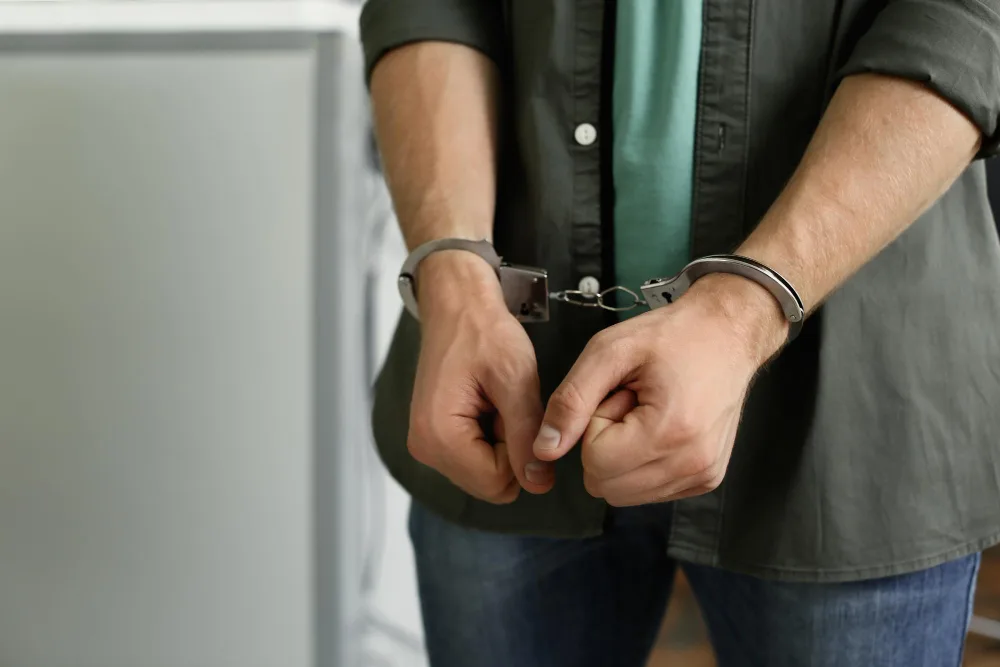
If you or a loved one has been arrested, finding reliable bail bonds in Orlando, Florida is likely your top priority. The clock starts ticking the moment those handcuffs click shut. In Orange County, the law guarantees a review of the arrest within 24 hours. That hearing is your first real chance to get home.
Being arrested is terrifying. One minute you're driving down I-4 or having dinner in Winter Park, and the next you're being processed at the Booking and Release Center (BRC). The uncertainty of what happens next keeps families up at night. But you don't have to face this confusion alone. We know the system inside and out because we work in it every single day. This guide breaks down exactly what happens during that first 24-hour window and how to get your loved one released as fast as possible.
What is the 24-Hour First Appearance?
In Florida, the law requires every arrested person to see a judge within 24 hours of being booked to determine if there is probable cause for the arrest. This hearing, known as the First Appearance, happens at the Booking and Release Center on 33rd Street. The judge reviews the police report and sets the conditions for release.
This isn't a trial. The judge won't decide if you're guilty or innocent right now. Instead, the focus is entirely on whether the police had a legal reason to arrest you and, more importantly, whether you can be released while your case moves forward. Under Florida Rule of Criminal Procedure 3.130, this hearing is mandatory.
During this hearing, the judge looks at specific factors to decide if you're a flight risk or a danger to the community. They review your criminal history, your employment status, and your ties to Central Florida. If you've lived in Conway for 20 years and have a steady job, that counts for a lot. If you're a tourist visiting the theme parks with no local address, the judge might view that differently.
It's rare for defendants to physically stand in a courtroom for this. In Orange County, you'll usually stand in a room inside the jail and appear before the judge via a video feed. It feels impersonal, but it's the standard procedure here. Understanding this helps reduce the shock when you see your loved one on a screen rather than in person.
What Happens Inside the Booking and Release Center?
Once booked at the BRC in Orlando, defendants go through fingerprinting, mugshots, and medical screening before being placed in a holding area. This intake process usually takes between 4 to 8 hours depending on how busy the jail is. During this time, you have limited access to phones, so memorizing key numbers is vital.
The BRC is a massive facility, and it operates like a city within a city. After the police car pulls into the sally port, the arresting officer hands over custody to the corrections staff. From there, it's a waiting game. You surrender your personal belongings—phone, wallet, keys, shoelaces—and receive an inventory sheet. Keep this safe; you'll need it to get your property back later.
The medical screening is basic. A nurse checks your vitals and asks about medications. If you have a serious condition like diabetes or high blood pressure, speak up immediately. The jail has a duty to provide care, but they can't help if they don't know the problem exists.
After processing, you move to a large holding cell, often called the "open seating" area. It's loud, cold, and uncomfortable. You might sit there for hours waiting for your name to be called for First Appearance. In our experience, this is the hardest part for most people. The isolation from family and the lack of information creates intense anxiety. You just want to know when you can leave.
How Does the Judge Determine Bail Amounts?
Judges in Orange County use a uniform bond schedule as a baseline but can raise or lower amounts based on the defendant's criminal history and community ties. A standard bond for a third-degree felony might start around $2,000, while misdemeanors often range from $500 to $1,000. Severe charges can result in "no bond" status until a later hearing.
The "Bond Schedule" is essentially a price list for charges. For example, a battery charge typically carries a higher bond than a petty theft charge. However, the judge has discretion. We've seen judges double a bond amount because the defendant was rude during the video hearing, and we've seen them lower it because a private attorney presented strong evidence of local employment.
Several factors push that number up or down:
- Prior Record: If you have a history of skipping court dates (Failure to Appear), expect a higher bond.
- Ties to the Community: Do you own a home in Dr. Phillips? Do your kids go to school in Apopka? These ties suggest you won't run away.
- Nature of the Crime: Violent crimes or charges involving domestic violence almost always result in higher bail or stricter conditions.
- Financial Status: While bail shouldn't be a punishment for being poor, the court does consider ability to pay.
Understanding these numbers helps you prepare financially. If the schedule says $2,000, you know you need to have a plan in place before the gavel drops.
What Are Your Options for Posting Bail?
You generally have three main options to get out of jail: pay the full cash amount, use a surety bond through a bail agent, or get released on your own recognizance (ROR). Paying cash requires the full 100% upfront to the court, while a surety bond typically costs just 10% of the total bail amount. ROR is free but usually reserved for minor, non-violent offenses.
1. Cash Bond
This is exactly what it sounds like. If the judge sets bail at $5,000, you take a cashier's check or cash for $5,000 to the courthouse or jail. You get this money back at the end of the case, provided the defendant attends every single court date. But be careful—if there are court costs or fines, the county often deducts them from this cash before returning the balance. Plus, tying up thousands of dollars for months (or years) puts a massive strain on family finances.
2. Surety Bond (Bail Bond)
This is the most common method in Orlando. Instead of paying $5,000, you pay a licensed bail bond agent a premium, usually 10% ($500). This fee is non-refundable—it's the cost of the service. In exchange, the bondsman posts the full $5,000 to the court. This keeps your savings account intact and lets you use that money for rent, groceries, or hiring a lawyer.
3. Release on Own Recognizance (ROR)
For minor misdemeanors or first-time offenses, the judge might agree to release you on your signature. You promise to come back to court, and you don't pay a dime. While this is the best-case scenario, it's becoming less common for anything beyond very minor infractions.
Why Use a Bail Bond Agent Instead of Cash?
Using a bail bond agent keeps money in your pocket for legal fees and family expenses since you only pay a fraction of the total bail. In our 30+ years serving Central Florida, we've seen families drain their savings paying full cash bonds, leaving them unable to hire a private attorney later. A bondsman also handles the complex release paperwork for you.
Think about the math. If your loved one is facing a felony charge with a $10,000 bond, paying cash means handing over $10,000 immediately. That's a new car or several months of mortgage payments in a neighborhood like Lake Nona. If you use a bond agent, you pay $1,000. That leaves you with $9,000 to secure a strong legal defense.
Beyond the money, there's the bureaucracy. The release process involves specific forms and procedures that can be confusing if you've never done it before. We know exactly which window to go to, what ID is required, and how to fix errors on the paperwork that would otherwise delay release by hours. When you're sitting in the lobby of the BRC at 2:00 AM, having someone who knows the system makes a huge difference.
How Mike Snapp Bail Bonds Helps During First Appearance
We monitor the jail roster constantly so we can post the bond the moment the judge sets the amount. Because our office is minutes away from the BRC on 33rd Street, we cut down the physical travel time that often delays release. We handle the paperwork immediately so your loved one doesn't spend an extra night in custody.
Speed matters here. The jail processes releases in batches. If you miss the cutoff for a shift change or a headcount, your loved one could sit in a holding cell for an extra 4 to 6 hours. We don't let that happen if we can help it.
We recently helped a family in Pine Hills whose son was arrested late Friday night. They were terrified he would be stuck in jail until Monday. Because we operate 24/7, we were ready the second the First Appearance judge set the bond on Saturday morning. We posted the bond immediately, and he was home for dinner that night. Without a bondsman ready to go, the paperwork delay alone might have kept him there until Sunday.
We also explain the conditions of release clearly. The judge might order "No Contact" with a victim or require a GPS monitor. Violating these rules sends the defendant straight back to jail with no bond. We make sure you understand every rule before you leave our office so you stay free.
Preparing for First Appearance: Do You Need a Lawyer?
Yes, having a private attorney at First Appearance can significantly increase your chances of getting a lower bond or Release on Own Recognizance (ROR). While a Public Defender is appointed if you don't have counsel, they often handle dozens of cases in a single morning. A private lawyer can present specific arguments about your ties to Orlando or employment status.
The First Appearance happens fast—usually just a few minutes per case. The Public Defender does their best, but they likely met your loved one five minutes before the hearing started. A private attorney can gather reference letters, proof of employment, and family contacts before the hearing begins.
For example, if the standard bond for a charge is $5,000, a lawyer might argue that the defendant has lived in Winter Garden for 15 years, cares for an elderly parent, and has never missed a court date. That specific context gives the judge a reason to lower the bond to $1,000 or grant ROR.
Even if you can't hire a lawyer in time for the 24-hour hearing, don't panic. You can still file a motion to reduce bond later. But getting it right at the First Appearance is the fastest way to get out.
What Happens After Bail is Posted?
Once the bond is posted, the jail takes between 2 to 6 hours to physically release the defendant. This processing time depends entirely on the jail's staffing levels and headcount procedures. You cannot speed this up, but you can track the status through the corrections website or by staying in touch with your bondsman.
Don't drive to the jail the second you pay the bond. You'll just end up waiting in the parking lot for hours. We usually tell families to go grab a meal or go home and wait for our call. We'll let you know when the release process is in the final stages.
When the release happens, the defendant walks out of the BRC discharge door. They'll likely be tired, hungry, and stressed. They need a ride and a quiet place to decompress. This is not the time to lecture them about the arrest; it's the time to get them home and safe.
After release, the hard work begins. You must check in with our office to finalize the contract. We'll give you the upcoming court dates. Missing a date is a disaster—the judge issues a warrant, you forfeit the bond money, and the defendant goes back to jail. We send reminders because we want you to succeed.
The Bottom Line on Getting Out Fast
Understanding the 24-hour First Appearance gives you a fighting chance to handle a difficult situation with confidence. The system moves fast, and mistakes can result in unnecessary time behind bars. Whether it's knowing the difference between cash and surety bonds or understanding why a local attorney matters, information is your best tool.
If you have questions about the process or need to get someone out of the Booking and Release Center right now, don't wait. We answer the phone 24 hours a day, 7 days a week.
Contact Mike Snapp Bail Bonds for immediate assistance.
Sources:
[1] Florida Rules of Criminal Procedure, Rule 3.130
[2] Orange County Corrections Department, Inmate Handbook