
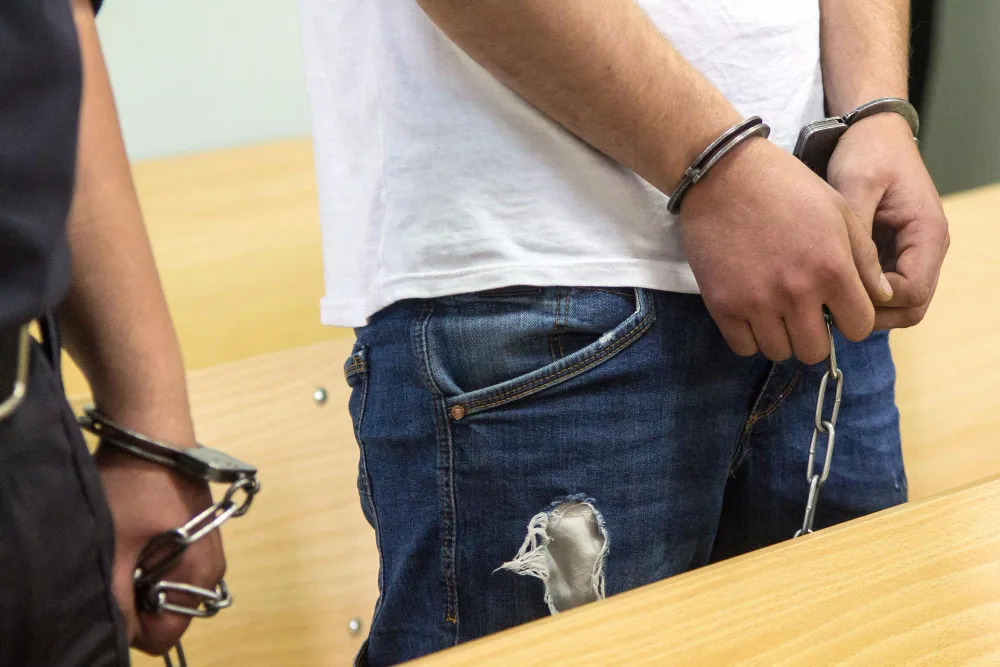
Being arrested for the first time is a terrifying experience. You're likely confused, stressed, and unsure of what happens next. If you or a loved one has been taken into custody in Orlando or anywhere in Central Florida, your top priority is getting out of jail and back to your family.
This guide explains exactly how the bail process works for first-time offenders in Florida. We'll walk you through the costs, the legal requirements, and the critical steps you need to take immediately following an arrest.
Understanding the Florida Bail Process for First-Time Offenders
In Florida, the bail process begins immediately after booking. Once a person is processed at the Orange County Jail or a local facility, a judge determines the bail amount based on the severity of the alleged crime and the defendant's criminal history. For first-time offenders with non-violent charges, there is often a "bond schedule"—a pre-set list of bail amounts for common offenses—that allows for quicker release without waiting for a first appearance hearing.
However, if the charge is more serious, you'll have to wait to see a judge, usually within 24 hours of arrest. The judge will review the case and decide if bond should be set and at what amount.
This is where bail bonds come into play. A bail bond is essentially a financial guarantee to the court that the defendant will show up for all future court dates. If you cannot afford to pay the full cash bail amount set by the court—which can often be thousands of dollars—a bail bondsman can help you secure release for a fraction of that cost.
How Bail Amounts are Determined in Local Courts
Judges in Orange County and surrounding areas use several factors to set bail. While there are standard schedules, the specific circumstances of the arrest matter.
Key factors include:
- The nature of the offense: Felonies carry higher bail amounts than misdemeanors.
- Community ties: Living in neighborhoods like College Park or Conway for years shows you'ren't a flight risk.
- Employment status: Having a steady job in the area counts in your favor.
- Family status: Being responsible for children or other family members is considered.
- Criminal record: As a first-time offender, you generally face lower bail amounts than repeat offenders.
For a typical first-time misdemeanor charge, bail might be set anywhere from $500 to $1,000. For more serious felony charges, it can easily range from $5,000 to $50,000 or more.
The Role of a Florida Licensed Bail Bondsman
A licensed bail bondsman acts as a surety, pledging money or property as bail for the appearance of a defendant in court. In Florida, the standard fee (premium) for a state bond is 10% of the total bail amount, with a minimum of $100 per charge. For federal bonds, the fee is typically 15%.
Here is how it works in practice: If the judge sets bail at $5,000, you likely don't have that cash sitting around. Instead of paying the court $5,000, you pay a bail bondsman $500 (10%). The bondsman then posts the full $5,000 bond with the court to secure your release.
This 10% fee is non-refundable. It is the cost of the service provided by the bondsman. In exchange, you get out of jail quickly without tying up significant capital that you might need for legal defense fees or household bills.
Common Misconceptions About Getting Out of Jail
There is a lot of bad information out there about how bail works. Believing these myths can keep you or your loved one behind bars longer than necessary.
Myth 1: You get your money back from the bondsman.
The 10% premium you pay to the bondsman is their fee for taking the risk. You do not get this back, even if the case is dropped or you're found innocent. However, if you paid the full cash bail directly to the court (without a bondsman), that money is returned at the end of the case, minus court fees.
Myth 2: Bail negotiations happen like in the movies.
You can't haggle over the 10% fee. In Florida, bail bond rates are regulated by the state. If a bondsman offers you a "discount" rate of 5%, they are breaking the law.
Myth 3: You can't leave the house while on bail.
Unless the judge specifically orders "house arrest" or sets conditions restricting your movement, being out on bail simply means you're free until your court date. You can usually go to work, the grocery store, and live your life, provided you stay within the jurisdiction and show up to court.
Step-by-Step Guide: What to Do After an Arrest
If you get that dreaded phone call that a friend or family member has been arrested, stay calm and follow these steps.
- Get the details. You need the person's full legal name, date of birth, and the county where they are being held (e.g., Orange County Jail on 33rd Street).
- Contact a bondsman immediately. Do not wait. Processing takes time. Call a reputable agency like Mike Snapp Bail Bonds. We can look up the booking information and tell you exactly what the charges are and the bail amount.
- Complete the paperwork. You will need to sign a contract and pay the premium. This can often be done quickly. We specialize in affordable bail bonds to help families manage this unexpected expense.
- Wait for the release. Once the bond is posted, the jail takes over. Release times vary depending on how busy the jail is—it can take anywhere from a few hours to several hours.
Legal Responsibilities and Court Appearance Requirements
Getting out of jail is just the first step. The bail bond is a contract that says you promise to appear in court.
If the defendant misses a court date, the judge will issue a "bench warrant" for their arrest, and the bail bond is forfeited. This means the bondsman is now on the hook to pay the full bail amount to the court. To recover that money, the bondsman (and the court) will look to the person who signed the bond agreement (the indemnitor) to pay the full amount.
For a first-time offender, missing court is the worst mistake you can make. It turns a manageable legal problem into a major crisis. If you have a valid reason for missing court, such as a medical emergency, you must communicate with your attorney and your bondsman immediately.
Why Local Expertise Matters in the Florida Legal System
Navigating the system in Orlando is different from that in Miami or Tampa. Local bondsmen know the specific procedures of the Orange County corrections staff and the tendencies of local judges.
For example, we know that processing times at the jail can slow down significantly during shift changes or on weekends near downtown Orlando venues. A local expert can give you a realistic timeline so you'ren't left wondering why your loved one hasn't walked out the door yet. We've been part of this community for years, helping folks from Winter Park to Lake Nona get through one of the worst days of their lives.
When you hire a local expert, you'ren't just paying for a transaction; you're paying for guidance. We can answer questions like "Where do I park for the courthouse?" or "What happens if my work schedule conflicts with court?"
Need Help Now?
Don't face this alone. If you need help securing a bail bonds Orlando Florida residents trust, reach out to us immediately.
Call Mike Snapp Bail Bonds at (407) 246-0919. We are available 24/7 to help you navigate the system and get your loved one home fast.