
3910 S John Young Pkwy. Suite A, Orlando, FL 32839
Se Habla Español - Call Us Today!
(407) 246-0919
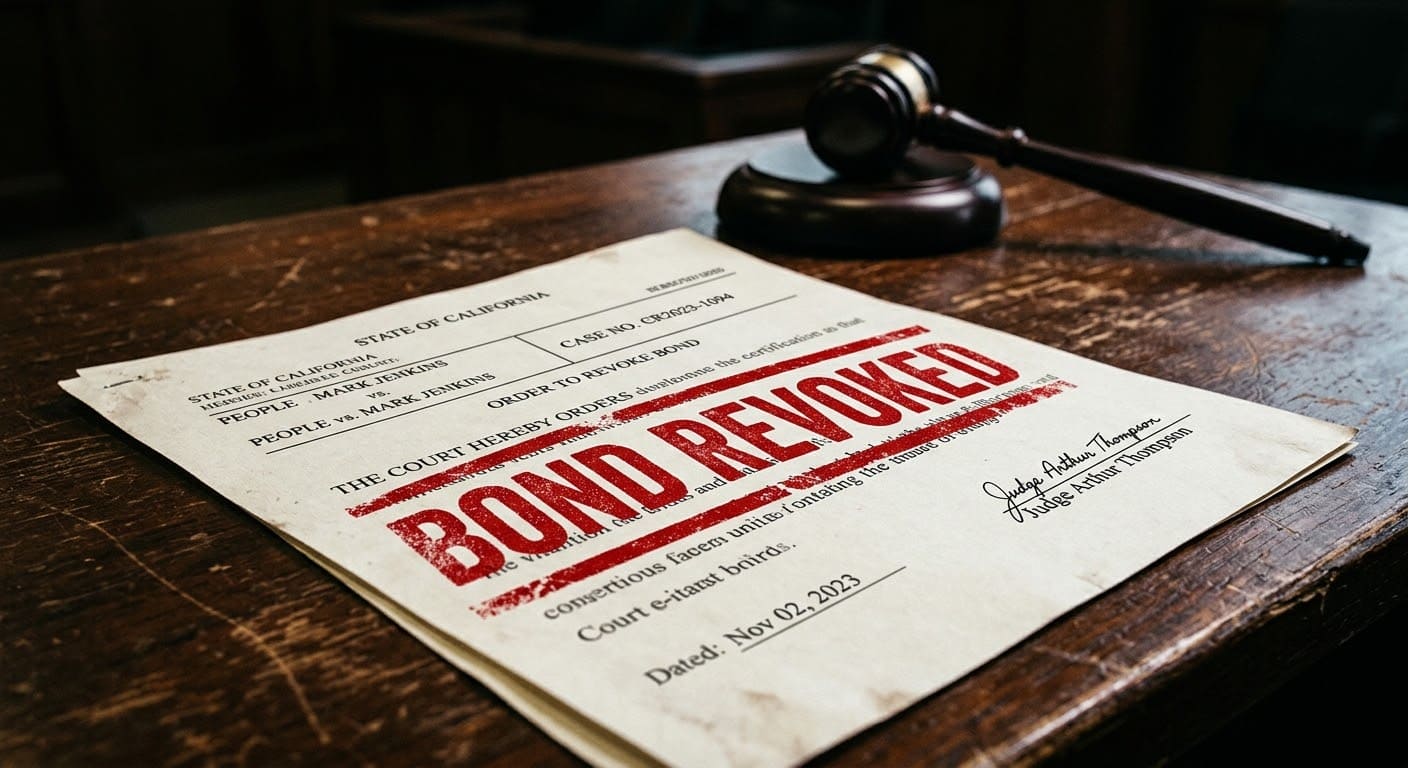
If your bond gets revoked in Orlando, you'll likely lose the 10% premium you paid—and that money won't come back. The court can also forfeit any collateral a co-signer put up. Getting back in front of a judge quickly is the best way to protect both your freedom and your finances.
Need help now? Call Mike Snapp Bail Bonds at (407) 246-0919. They've been helping Orange County families since 1978 and are available 24/7.
A revoked bond means the court has canceled your release agreement and ordered you back into custody. When a Florida judge revokes your bond, a warrant is typically issued within 24 to 48 hours. You'll be returned to the Orange County Booking and Release Center on John Young Parkway, and the case resets under much stricter conditions.
This isn't just a paperwork issue. Revocation affects every part of your case going forward, from your bail eligibility to how the judge perceives your credibility.
Yes, in most cases you lose the premium. Here's how it breaks down depending on the bond type.
Cash bonds: If you paid the full bail amount directly to the court, that money is held. If revocation leads to forfeiture, the court keeps it. You won't get a refund.
Surety bonds (through a bail bondsman): The 10% premium you paid is non-refundable, regardless of what happens. That's the fee for the bondsman's service. If bail is set at $10,000, you paid $1,000. That $1,000 is gone.
The bigger financial hit often falls on co-signers. If someone pledged collateral, such as a car title or property, the bail bondsman can move to collect that collateral once a bond is revoked. In Florida, bondsmen have up to 60 days after a forfeiture notice to either return the defendant to custody or begin collateral recovery proceedings.
For families near Winter Park or downtown Orlando who co-signed a bond, this is the part that causes the most financial damage. The premium is predictable. Losing collateral is not.
Florida judges revoke bonds for several reasons, and some are more common than others in Orange County courts.
Failure to appear (FTA): Missing a scheduled court date is the fastest way to lose your bond. Florida Statute 903.26 governs bond forfeiture, and judges take FTAs seriously. One missed date can trigger an immediate warrant.
New arrest: Getting arrested on new charges while out on bond almost always results in revocation. The judge sees it as proof that the original release wasn't appropriate.
Violating release conditions: These violations include failing a drug or alcohol test, contacting a protected person, leaving the state without permission, or failing to check in with a pretrial services officer.
Technical violations: These are easy to overlook. Missing an appointment, not updating your address, or failing to report a change in employment can all trigger a violation report that leads to revocation.
We've seen cases in Orange County where a defendant lost a $5,000 bond over a single missed check-in call. The violation doesn't have to be dramatic to have serious consequences.
When a bond is revoked and forfeited, the bail bondsman faces a real financial loss. That's why they act quickly.
The bondsman has a legal right to apprehend the defendant and return them to custody. Florida law gives licensed bondsmen broad authority to do this. Once a forfeiture notice is filed by the court, the bondsman typically has 60 days to respond.
If the defendant can't be located, the bondsman moves against the collateral the co-signer provided. That's why co-signers take on serious risk. Signing for someone's bail bonds means you're financially responsible if they violate the terms.
The non-refundable premium doesn't change, either. Whether the bond was revoked on day one or day 300, the 10% fee was earned the moment the bondsman posted the bond.
Sometimes, yes. Reinstatement isn't guaranteed, but it's possible under the right circumstances.
If the revocation was triggered by a technical violation or a single missed court date, your attorney can file a motion to reinstate bond. The judge will consider factors like your history of compliance, the severity of the underlying charges, and whether you turned yourself in voluntarily.
Acting within the first 72 hours is critical. The longer you wait after a revocation, the harder it becomes to convince a judge you're a reliable candidate for release. Some Orange County judges will consider reinstatement at the next available hearing, which may be scheduled within 5 to 7 business days depending on court availability.
You'll likely need to post a new bond, often at a higher amount. And you may face stricter conditions, like electronic monitoring or daily check-ins.
An experienced criminal defense attorney in Orlando can file the reinstatement motion and argue your case before the judge. Don't try to handle this on your own.
The first 48 hours matter most. Here's what to do.
First, contact a criminal defense attorney who practices in Orange County. They can review the grounds for revocation and determine whether a reinstatement motion is viable.
Second, if you're the co-signer, call the bail bondsman immediately. Staying in communication gives you the best chance of protecting your collateral. Bondsmen who work with affordable bail bonds options may be willing to discuss your situation before taking collection action.
Third, if you're the defendant, don't wait to be picked up. Turning yourself in voluntarily demonstrates good faith to the court. Judges notice this. It won't undo the revocation, but it can influence the next bail decision.
Fourth, gather documentation. If the revocation was based on a misunderstanding, such as a missed call due to a medical emergency or a scheduling error, documentation can support a reinstatement motion.
Bond revocation in Florida is expensive, stressful, and moves fast. The 10% premium is gone the moment a bond is posted. Collateral is at risk once a forfeiture notice is filed. And getting a second chance at release requires quick, decisive action.
The best way to avoid revocation is simple: show up, follow the conditions, and stay in contact with your bondsman. If something comes up that might affect your compliance, call your attorney and your bondsman before you miss anything.
If you're already facing a revocation or need help posting bail bonds in Orlando, Florida, reach out to a team that knows the Orange County court system. Mike Snapp Bail Bonds has served Central Florida families since 1978. Call (407) 246-0919 any time, day or night.